What to Do After Your Child is Diagnosed with Autism or ADHD?
A compassionate guide for parents navigating the early days after their child's Autism or ADHD diagnosis, offering hope and practical next steps.
What to Do After Your Child is Diagnosed with Autism or ADHD?
Hearing that your child has been diagnosed with Autism or ADHD can bring up a mix of emotions like relief that you finally have answers, worry about what lies ahead, and a hundred questions about what to do next.
Take a deep breath. You're not alone in this journey, and a diagnosis is not the end, it's the beginning of understanding your child better.
At Bloomcord, we've seen how powerful it can be when parents approach this stage with curiosity, compassion, and hope.
Take a Moment to Process
The first step is giving yourself permission to feel. It's okay to feel uncertain or confused, or to have questions swirling in your mind. Processing your emotions doesn't just help you, it also helps you be present and calm when supporting your child.
Remember, a diagnosis is not a verdict on your child's potential, instead it's a map to help them thrive. The diagnosis doesn't change who your child is, it just gives you a clearer picture of how they experience the world.
Explore, but Don't Lose Yourself in Labels
Start learning about Autism or ADHD from trustworthy, empathetic sources. But remember: no two children are the same. Your child's needs, strengths, and quirks make them wonderfully unique.
Build Your Circle
Parenting can feel lonely sometimes, especially when you're walking a new path. But there are people who get it; teachers, therapists, and other parents who've been where you are. Reach out. Ask questions. Listen to stories. You'll find comfort, community, and a sense of calm in realizing you're not doing this alone.
Focus on What's Working
There may be challenges, yes but there will also be incredible moments of joy, creativity, and connection. Notice what your child loves. What helps them shine? What makes them laugh? When you focus on their strengths, you begin to see just how much is possible.
Partner with The School
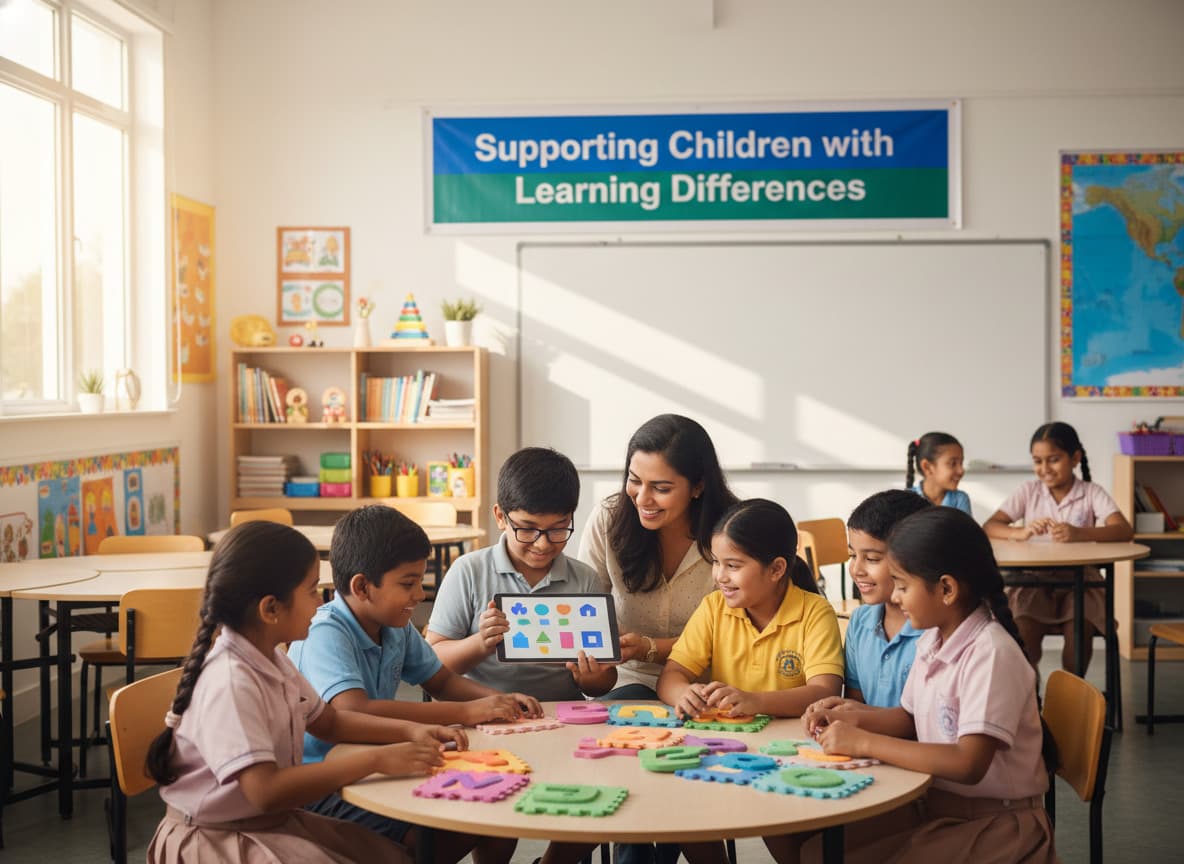
Your child's school plays a big role in their journey. Talk to teachers about what helps your child feel comfortable and confident. Most schools want to support inclusivity, they just need to know how. At Bloomcord, we help schools do exactly that, to make classrooms places where every child feels seen, safe, and celebrated.
Remember to Care for You too
You can't pour from an empty cup. Taking care of yourself is part of taking care of your child. Rest when you can, ask for help, and give yourself grace. What matters is showing up with love, even when things don't go perfectly.
Keep Hope Close
Your child will grow, learn, and surprise you in ways you never imagined. With love, structure, and the right support, they can lead a joyful, fulfilling life. There's no single "right" path, only the one that helps your child feel happy, accepted, and loved for who they are.
Conclusion
If you're here reading this, you're doing better than you think. Every small step you take, every hug, every patient moment, every effort to understand matters deeply. A diagnosis doesn't change your child's story, it gives you the language to write it with more compassion, awareness, and strength.
With love, understanding, and the right support, your child's path can be every bit as bright, joyful, and extraordinary as you've always dreamed it would be.